

The Iranian plateau has served as the stage for one of history’s most dramatic geopolitical arcs. The land that is today the Islamic Republic of Iran was once the beating heart of the most formidable superpower the ancient world had ever seen.
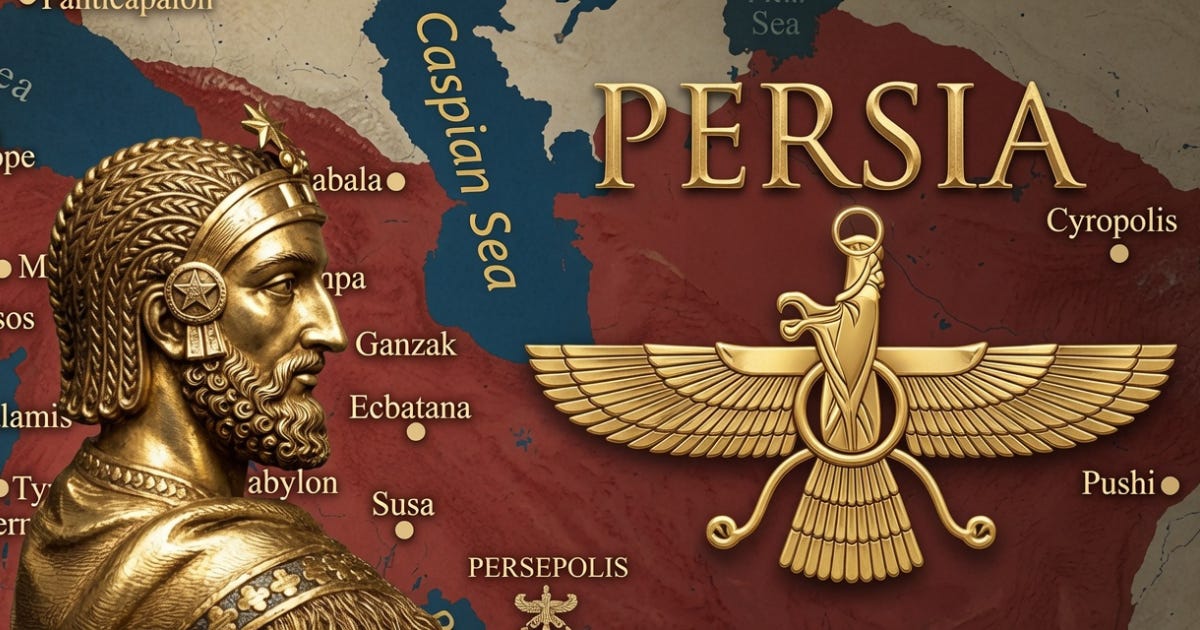
Under the Achaemenid dynasty, the Persian Empire stretched from the Indus Valley to the Balkans, governing a massive percentage of the Earth's population. It was an empire built not just on military might, but on an unprecedented mastery of administration and cultural integration. Yet, looking at the geopolitical landscape today, the contrast is stark. Modern Iran finds itself at the center of regional instability, battling severe economic headwinds and profound international isolation. To understand this dramatic shift, we must examine the foundational strategies of the ancient empire and compare them to the realities constraining the modern Iranian state.
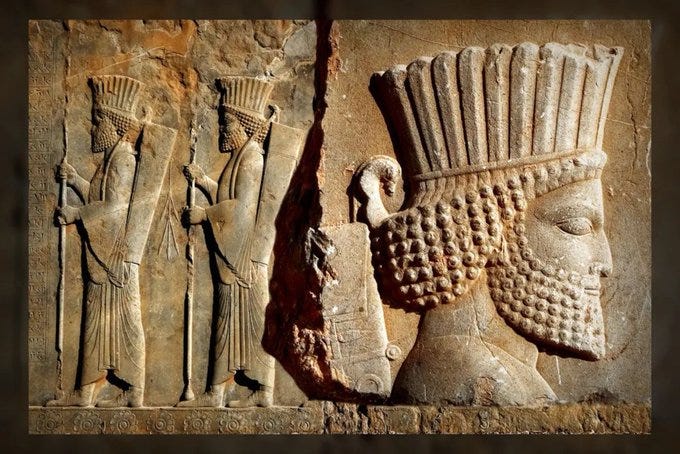
The Administrative Genius of Antiquity
Founded by Cyrus the Great around 550 BCE, the Achaemenid Empire succeeded because it fundamentally reinvented how a massive territory could be governed. Where previous conquerors relied heavily on terror and mass deportation to keep subjugated populations in line, Cyrus and his successors utilized a brilliant mix of delegation and integration. The empire’s administrative backbone was the Satrapy system, a masterclass in decentralized governance. The empire was divided into provinces ruled by local governors, or Satraps. This framework allowed the central authority in Persepolis to efficiently collect taxes and raise armies while granting local regions the autonomy to manage their day-to-day affairs, thereby reducing the friction of imperial rule.
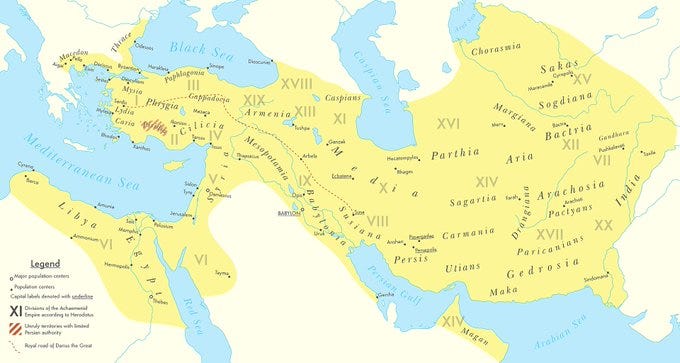
To bind this massive territory together, the Persians invested heavily in economic and physical infrastructure. They constructed the Royal Road, a 1,600-mile highway that drastically reduced travel time across the empire and instituted the world’s first formal postal system. Crucially, they standardized weights, measures, and currency, introducing a gold coin known as the daric. This standardization facilitated a booming, empire-wide economy that incentivized trade over rebellion.
Perhaps their most revolutionary concept, however, was religious and cultural tolerance. Cyrus famously allowed conquered peoples to maintain their customs and faiths, a policy enshrined in his decision to free the Jewish people from Babylonian captivity. This was not merely an act of benevolence; it was a highly calculated strategy of statecraft that won the loyalty of diverse populations and secured long-term stability across a sprawling geopolitical footprint.
The Military Machine and Imperial Expansion
Before this administrative genius could take root, the Persians had to conquer the ancient world, a feat they achieved through unparalleled scale, logistical brilliance, and tactical innovation. The vanguard of the Persian military was an elite, heavily armed infantry force known to history as the Immortals. Maintained perpetually at exactly 10,000 men, the regiment operated on a system of immediate replacement; if a soldier fell in battle or succumbed to illness, another instantly took his place, creating a terrifying psychological illusion of an undying army.
Beyond elite infantry, the Persian military machine utilized advanced engineering to overcome geographic barriers. They successfully crossed the Hellespont by constructing massive pontoon bridges, effectively marching vast armies across the sea into Europe. They deployed scythed chariots to break enemy lines and organized their troops using a highly efficient decimal system, breaking divisions into tens, hundreds, thousands, and tens of thousands.
While they quickly absorbed the Median, Lydian, and Babylonian empires, their expansion westward met legendary resistance. The Greco-Persian Wars saw defining and bloody clashes at Marathon, Thermopylae, and Salamis. Ultimately, the Achaemenid Empire fell not to internal collapse or structural failure, but to the unprecedented military genius of Alexander the Great in 330 BCE, ending a two-century reign of dominance.
The Geopolitical Reality of Modern Iran
Fast forward to the present day, and the modern state occupying the Iranian plateau faces a drastically different and far more precarious reality. While it retains the vital geographical advantages and the rich cultural heritage of its ancestors, its methods of statecraft and international relations have fundamentally shifted.
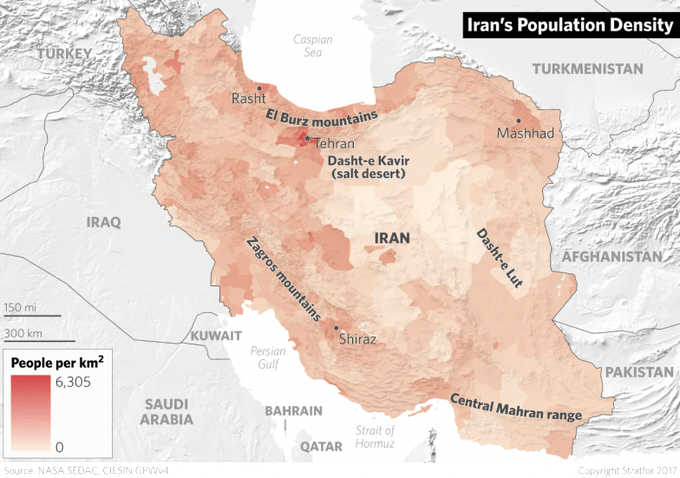
Economically, Iran is currently navigating a severe and protracted crisis. Years of heavy international sanctions, coupled with systemic domestic mismanagement, have left the national economy severely compromised. With inflation rates persistently high and the national currency deeply devalued, everyday Iranians face a collapsing purchasing power and a severe cost-of-living crisis. This economic exhaustion sharply contrasts with the booming, integrated trade networks that defined the Achaemenid era.
Geopolitically, rather than projecting power through a vast, integrated empire, modern Iran operates through asymmetric warfare and an “Axis of Resistance.” This network consists of allied political factions and proxy militias operating across Lebanon, Syria, Iraq, and Yemen. While this strategy allows Tehran to project regional influence and pressure adversaries primarily Israel and the United States without triggering a direct conventional war, it has resulted in profound diplomatic isolation and near-constant regional friction. Modern Iran exists in a state of perpetual defensive maneuvering rather than secure hegemony.
Internally, the modern state represents a stark inversion of Cyrus the Great’s foundational policies of tolerance. The current government relies on strict ideological and religious rule to maintain authority. This rigidity has deeply fractured the domestic social contract, sparking recurrent, cross-generational protests. Driven by a populace that is young, highly educated, and increasingly disconnected from the state’s hardline policies, this internal friction poses a constant challenge to the nation’s stability.
The Ultimate Contrast
The historical juxtaposition between ancient Persia and modern Iran offers a profound lesson in the mechanics of power and statecraft. Ancient Persia thrived on integration, tolerance, and global trade, building an enduring legacy by embracing the diversity of its subjects and fostering economic connectivity. By accommodating the differences within its borders, it became a stable, global superpower.
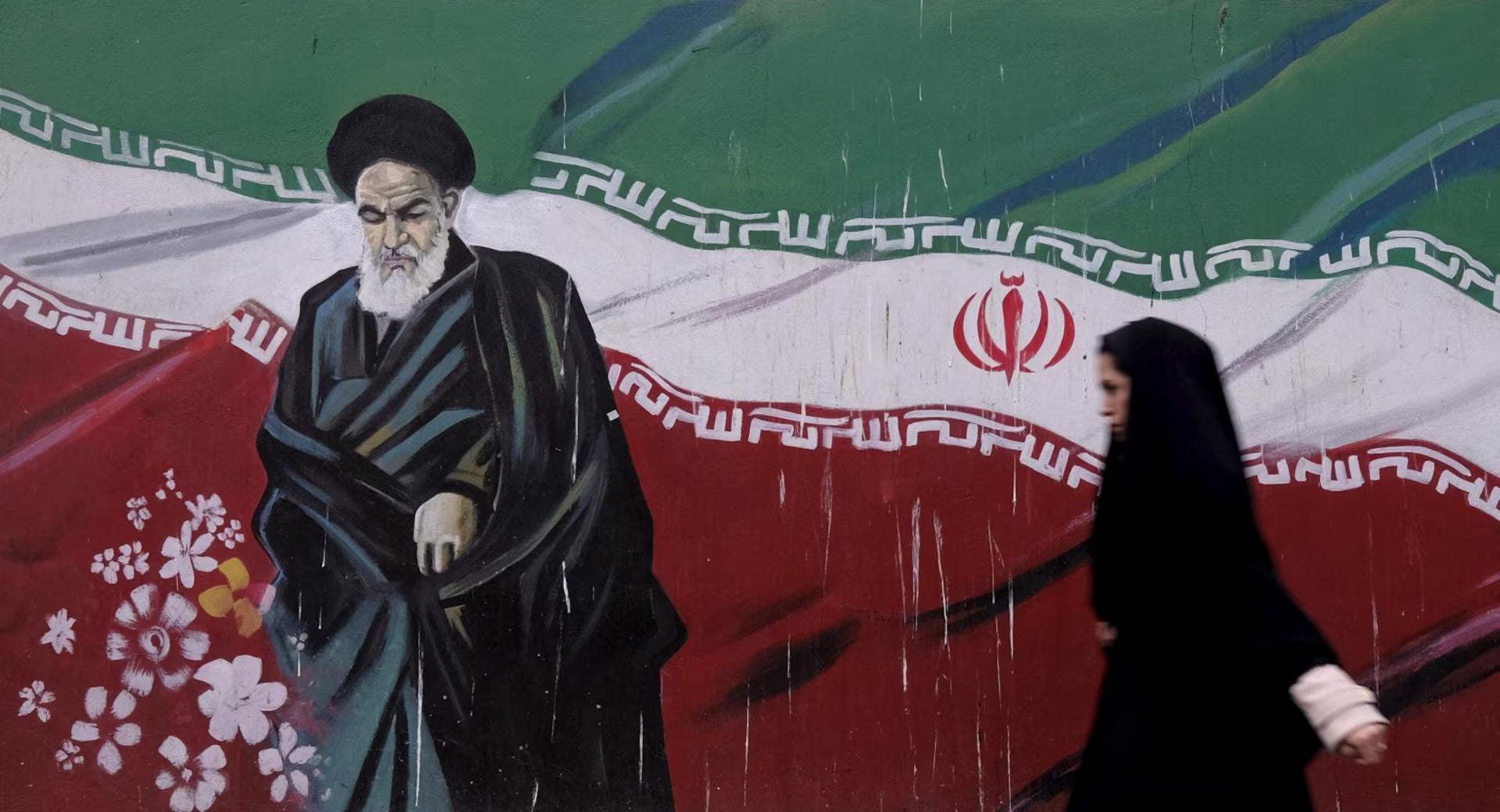
Modern Iran, conversely, finds itself defined by isolation, ideological rigidity, and asymmetric conflict. While it remains a critical and highly influential power player in the Middle East, it is fighting to maintain its regional influence amidst severe internal discontent and crippling external pressure. The arc from the tolerant, expansive empire of Cyrus to the embattled modern republic highlights how fundamentally the strategies of survival and dominance have transformed on the Iranian plateau.