

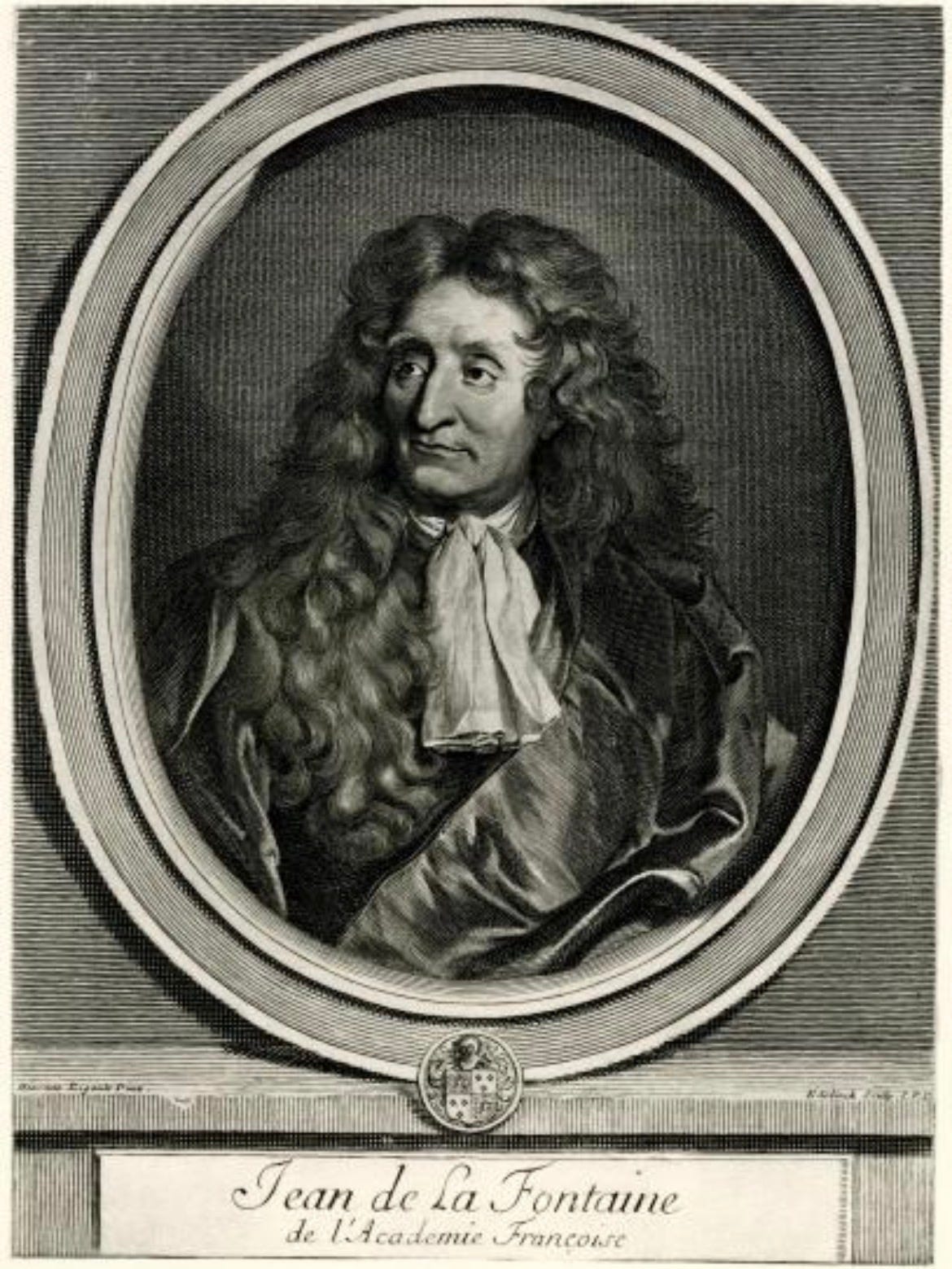
The deeper meaning behind Jean de La Fontaine’s stories is that they are not really about animals they are about people, power, and society.
He wrote during the reign of Louis XIV, when openly criticizing the king, nobles, or powerful figures could be dangerous. By using animals as characters, La Fontaine could express controversial ideas indirectly.
Some recurring themes include:
Power vs. justice: The strong often make their own rules. In The Wolf and the Lamb, the wolf invents excuses to eat the lamb, suggesting that the powerful often justify injustice after the fact.
Flattery and manipulation: In The Fox and the Crow, the fox flatters the crow into dropping its food, showing how praise can be used to manipulate.
Hard work and foresight: The Ant and the Grasshopper contrasts preparation with living only for the moment.
Patience and perseverance: The Hare and the Tortoise argues that steady effort can outperform natural talent when talent becomes overconfident.
Human weaknesses: Vanity, greed, pride, hypocrisy, and arrogance appear repeatedly. The animals represent recognizable human personalities rather than literal creatures.
La Fontaine’s fables also encourage readers to think critically rather than simply accept authority. Many stories have morals that are more nuanced than a simple “right versus wrong.” Instead, they invite readers to ask:
Who really has power?
Is justice always fair?
How do clever people influence others?
What happens when pride clouds judgment?
This layered approach is one reason his fables remain influential: children can enjoy them as entertaining stories, while adults can read them as observations about politics, psychology, and human nature.